Tuesday at the 22nd ZagrebDox Film Festival
21.4.2026.
Dissuading conspiracy theorists, questions of death, estranged families, and climate anxiety, an in-depth conversation with the iconic Christian Frei, football fans, a panel on the political nature of art, and festival hits.

Yesterday, on the festival’s first full day, we inaugurated the new Photo Dox program, which traces Europe’s political topography, encourages discussions about identity and mental health, and lucidly brings us closer to novel social phenomena. In the International Competition, Memory and Flana engaged with adult interpretations of childhood wounds, while the Regional Competition included themes ranging from the female gaze in No Mercy to the found-footage documentary crime story Greetings from the Secretariat. The new Dox of Resistance program presented different approaches to women’s strength.
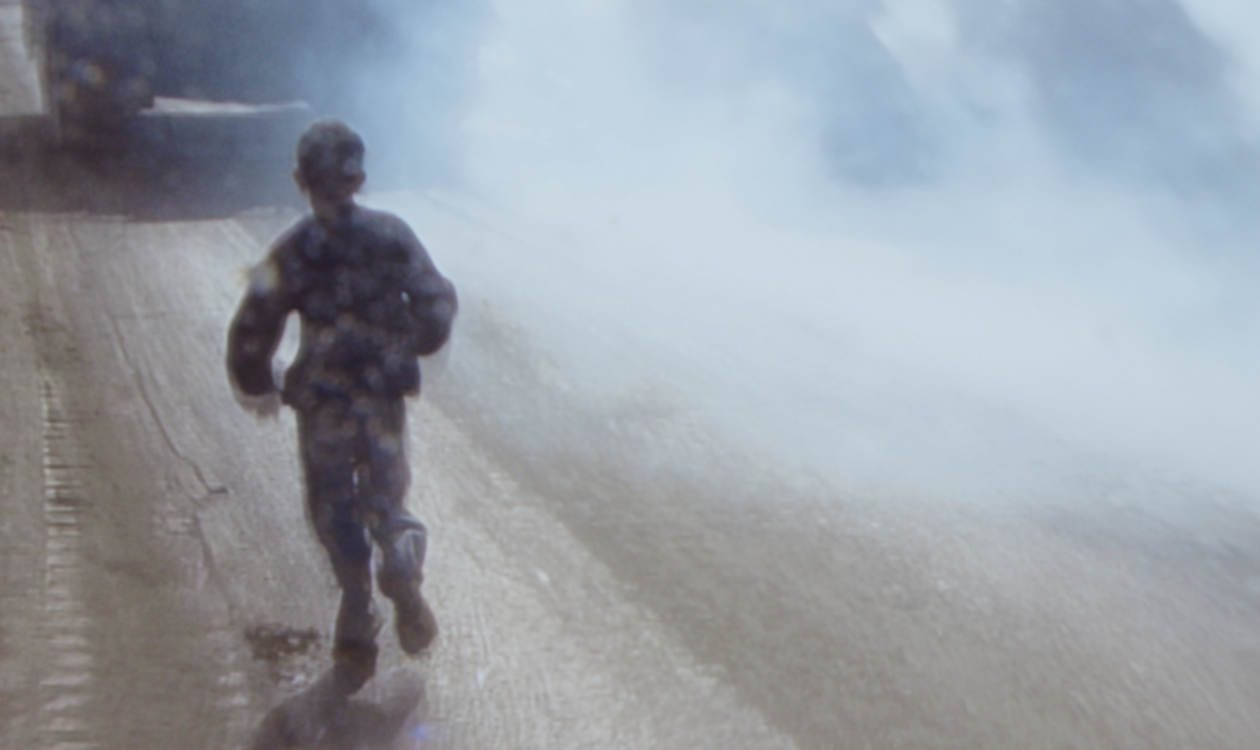
Tuesday at ZagrebDox brings a rich lineup marked by stories that provoke debate, a panel on the political responsibility of documentary filmmaking, a workshop with the new recipient of the Honorary Big Stamp, and a robust competition. The program begins at 1:30 pm with the outstanding Portrait of Nowness (Hall 3) by Austrian directors Juri Rechinsky and Mario Hainzl, a film shot exclusively with body cameras worn by protagonists from different parts of the world, forming a kaleidoscopic image of contemporary life. Screening at the same time is Change My Mind (Hall 1), part of the Controversial Dox Program, where Czech documentarian Robin Kvapil embarks on an extraordinary journey through war-torn Ukraine with three conspiracy theorists who believe the war in Ukraine is a hoax. Audiences will be able to hear Kvapil’s conversation with cultural critic and festival selector Hana Samaržija on Thursday. At 1:30 pm we can also attend the exhibitions Lost Territories Archive (Hall 5) by the Sputnik Photos collective, a photographic exploration of the cultural topography of post-Soviet Europe, and Delta Oscar Mike (Hall 4) by Dea Botica, a junction of her family’s maritime heritage and her own identity. Screening at the same time is the radio documentary Rain On the Dead (Hall 4) by Yasmina Hamlawi, an intimate story of a mother and daughter returning to their native Algeria, where patriarchal norms prevented them from attending the funeral of Yasmina’s father. After the screening, audiences can learn more about radio documentary and the challenges of family trauma in a conversation between the author and film critic and curator Sara Simić. At 1:30 pm there is also a repeat screening of the radio drama Clean Up Your Game: All In! (Hall 5) by Dražen Krešić, about a young man attempting to recover from gambling addiction.
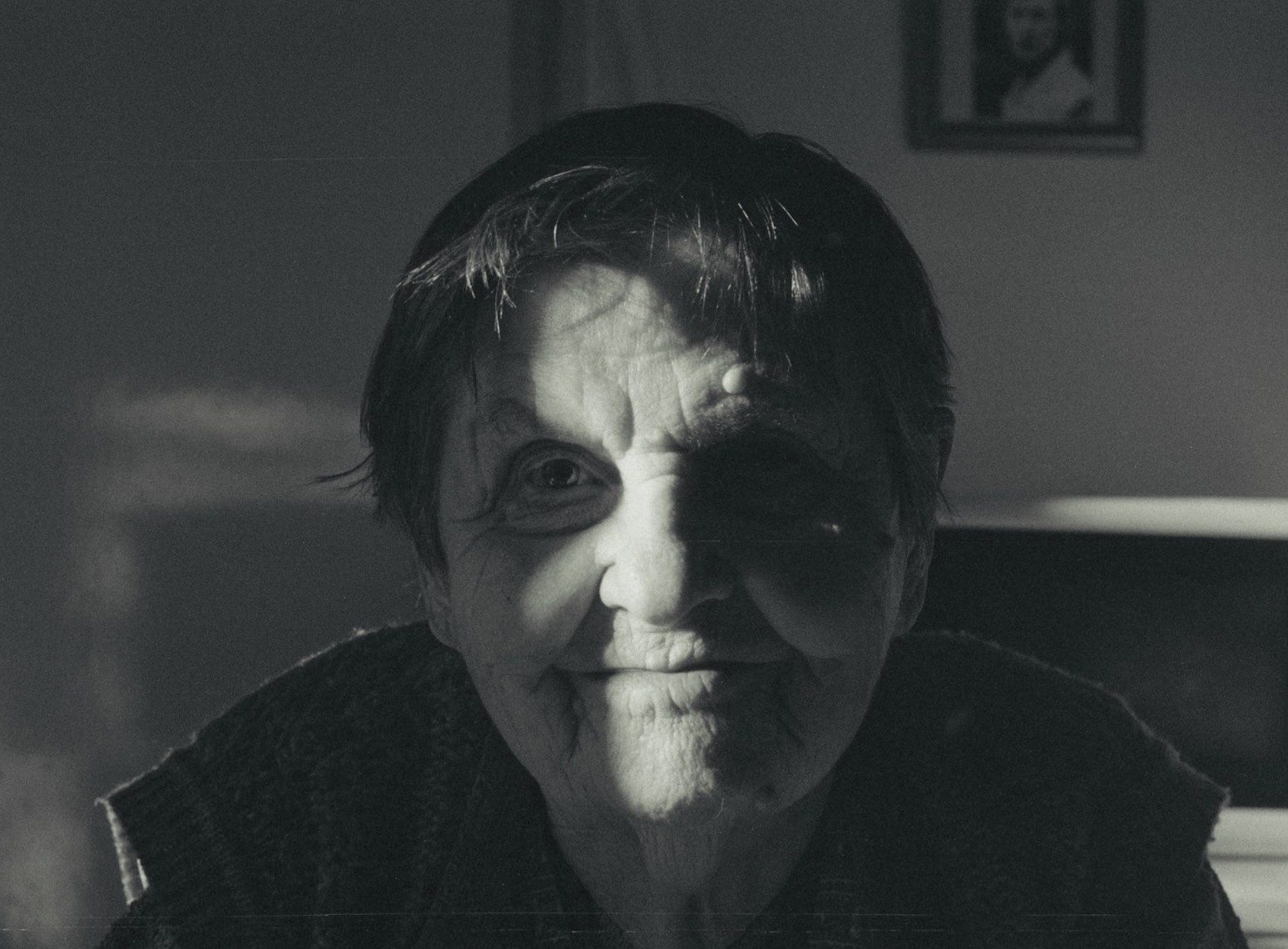
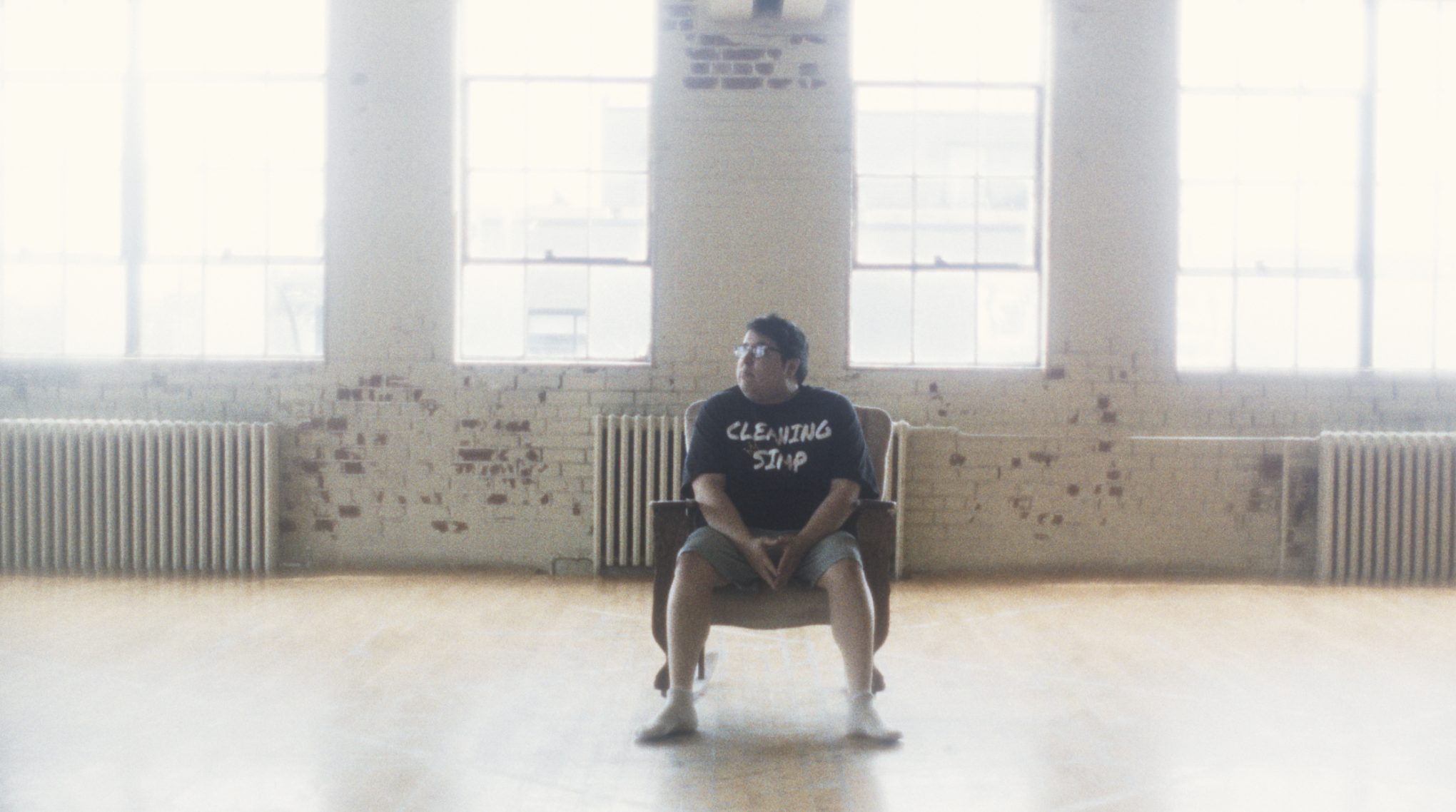
The 2 pm slot brings a series of Controversial Doxes dealing with ideologically charged discursive themes. The short wedLOCK tradWIFE (Hall 2) by director Gabriele Neudecker combines archival footage of a patriarchal village with monologues by contemporary influencers who promote submission, marriage, and motherhood as the purpose of a woman’s life. The theme of submissiveness also appears in Paul (Hall 2) by Canadian director Denis Côté, a compassionate story of a depressed and lonely man who finds comfort working as a submissive cleaner for his favorite dominant women. At 3 pm, we can see two exceptional titles: the transgressive Lord, Take Me Soon (Hall 5) by Spanish director Guillermo F. Flórez and the Regional Competition entry Omama (Hall 5) by young Hungarian filmmaker Martin Herr. Both films address aging in very different ways. Flórez follows the final six months in the life of the emancipated Carmen, who decides to secure a dignified end on her own terms. Audiences interested in the themes of euthanasia and suicide will be able to explore them further in Flórez’s Saturday dialogue with Hana Samaržija. Herr, on the other hand, in a melancholic and humorous film, reconnects with his grandmother, from whom he has become irreversibly distant in terms of status and class. The rich parallel program at 3 pm includes the Festival Hit Beneath Which Rivers Flow (Hall 4) by Iraqi filmmaker Ali Yahya, about a man enduring the disappearance of the river that had determined his life with the support of his beloved buffalo. At the same time, we can see Climate in Therapy (Screen 4) by Nathan Grossman, a humorous Green Dox title about seven climate scientists who turn to group therapy due to anxiety over the scale of the climate crisis. Simultaneously, the exhibition Ground Zero of Fast Fashion (Hall 4) by Magnus Wennman depicts the ethical and environmental underside of the hyperproduction of cheap clothing.
At 3:30 pm we welcome the first Teen Dox title, a program of films portraying the challenges of growing up or focalizing the world from a teenage perspective. The section opens with Niñxs (Hall 1) by trans filmmaker Kani Lapuerta, following the transformation and gender self-determination of fifteen-year-old Karla at the foot of a sacred mountain traditionally believed to govern fertility. Screening simultaneously is Intersecting Memory (Hall 3) by Palestinian director Shayma’ Awawdeh, a concise meditation on the intersections of personal and collective memory in war-torn Palestine. The same themes continue in the moving Children No More: “Were and Are Gone” (Hall 3) by Hilla Medalia, an image of repeated vigils honoring the many children killed in attacks on Gaza, as well as in happiness (Hall 3), a hybrid documentary unfolding at the intersection of screens flashing news of violence and colonial oppression. At 3:30 pm at Dokukino KIC, we can attend this year's first Masterclass: Christian Frei: Magnification That Will Endure, a conversation with the Swiss documentarian about his distinctive approach to the human condition.
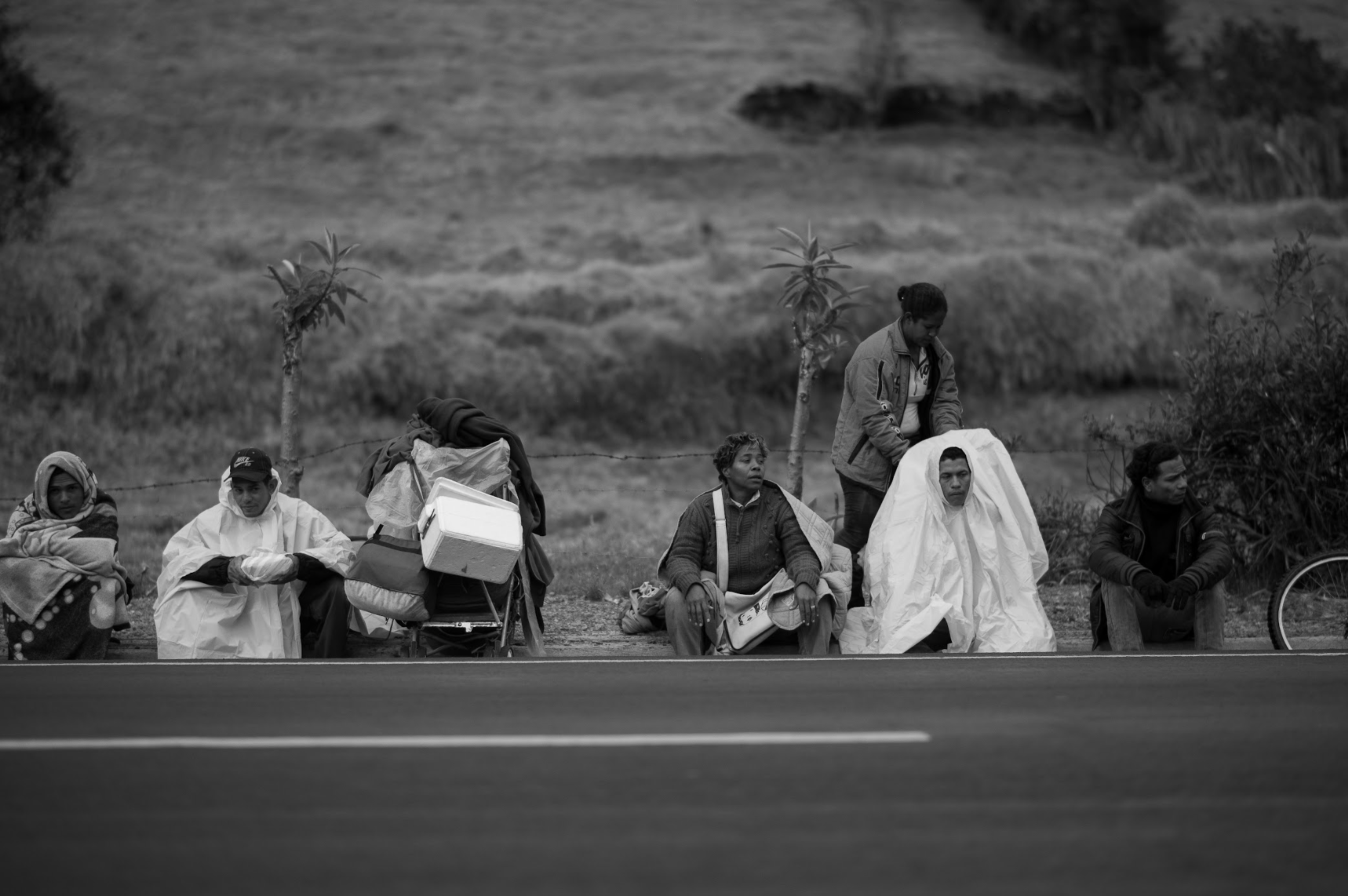
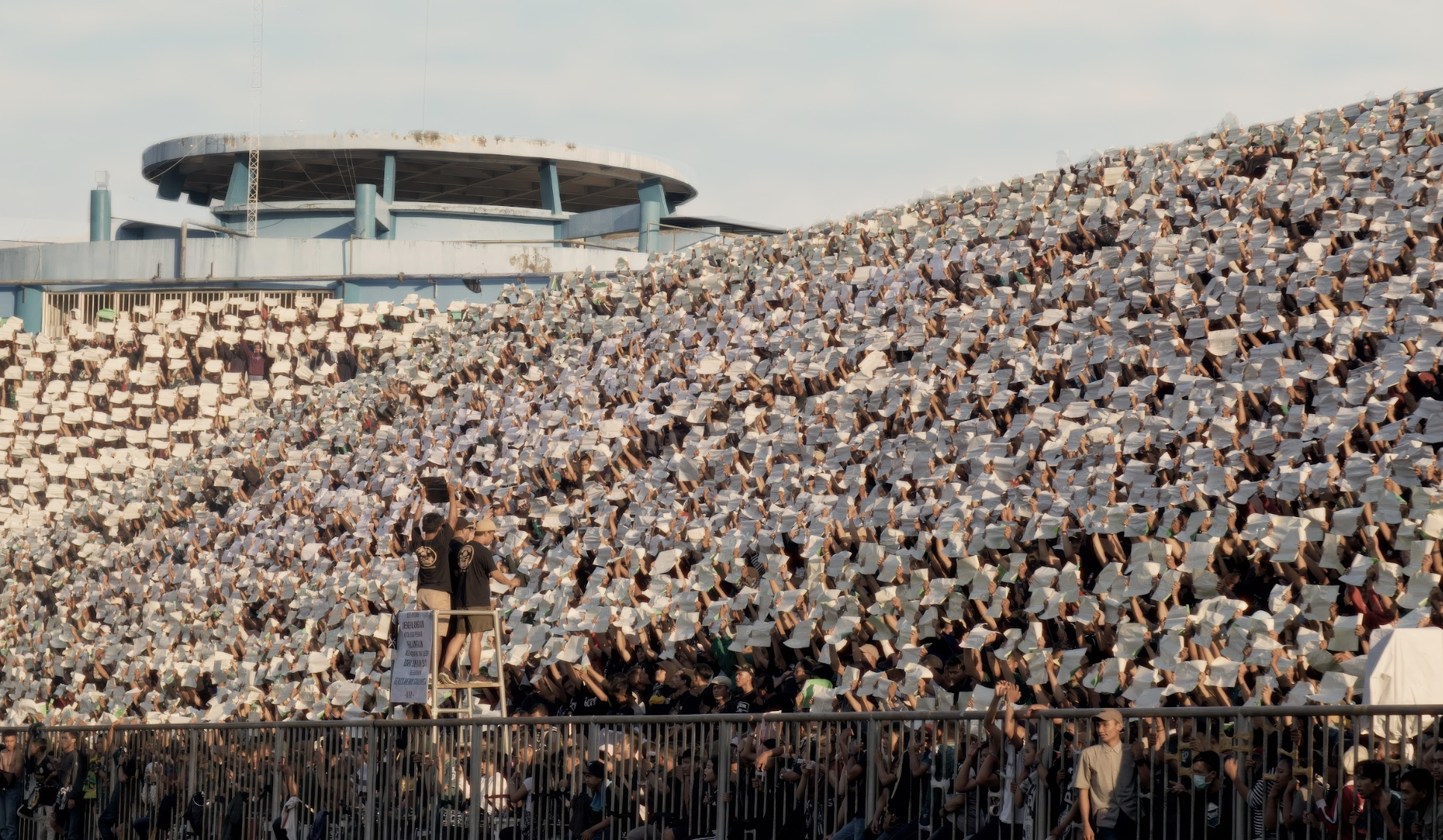
At 4 pm, the program continues with a repeat screening of Carmela and the Walkers (Hall 2), a film about the existential necessity of migration and the personal resilience of a woman who helped thousands of Latin American migrants. At 5 pm, we can watch Ultras (Hall 5) by Swedish filmmaker Ragnhild Ekner, a lucid tribute to the vast and often controversial subculture of football fans. At 5 pm at Dokukino KIC, audiences can attend the DoXXL Panel Stay Out of Politics: Cinema, Censorship and Challenging Oppression, where film critic and festival selector Dina Pokrajac will join producer Martin Herring, director Mike Lerner, cultural theorist Marta Baradić, and director Vlad Petri in discussing the political responsibility of art, resistance to political pressure, and regressive attacks on cultural institutions. At Kaptol Boutique Cinemas at the same time we can see repeat exhibitions Borderling of Freedom 2016–2021 (Hall 5), DISPLACEMENT Planinska 7 (Hall 4), and Black Gold (Hall 5), covering themes from adolescent explorations of autonomy to the intimacy of neighbors in an apartment building and the politically contentious history of the mining town of Ugljevik. At 5 pm, we can also attend the music documentary Monk in Pieces (Hall 4) by Billy Shebar, where iconic musicians such as Björk and David Byrne, alongside Meredith Monk, reflect on her transgressive sonic and visual legacy.
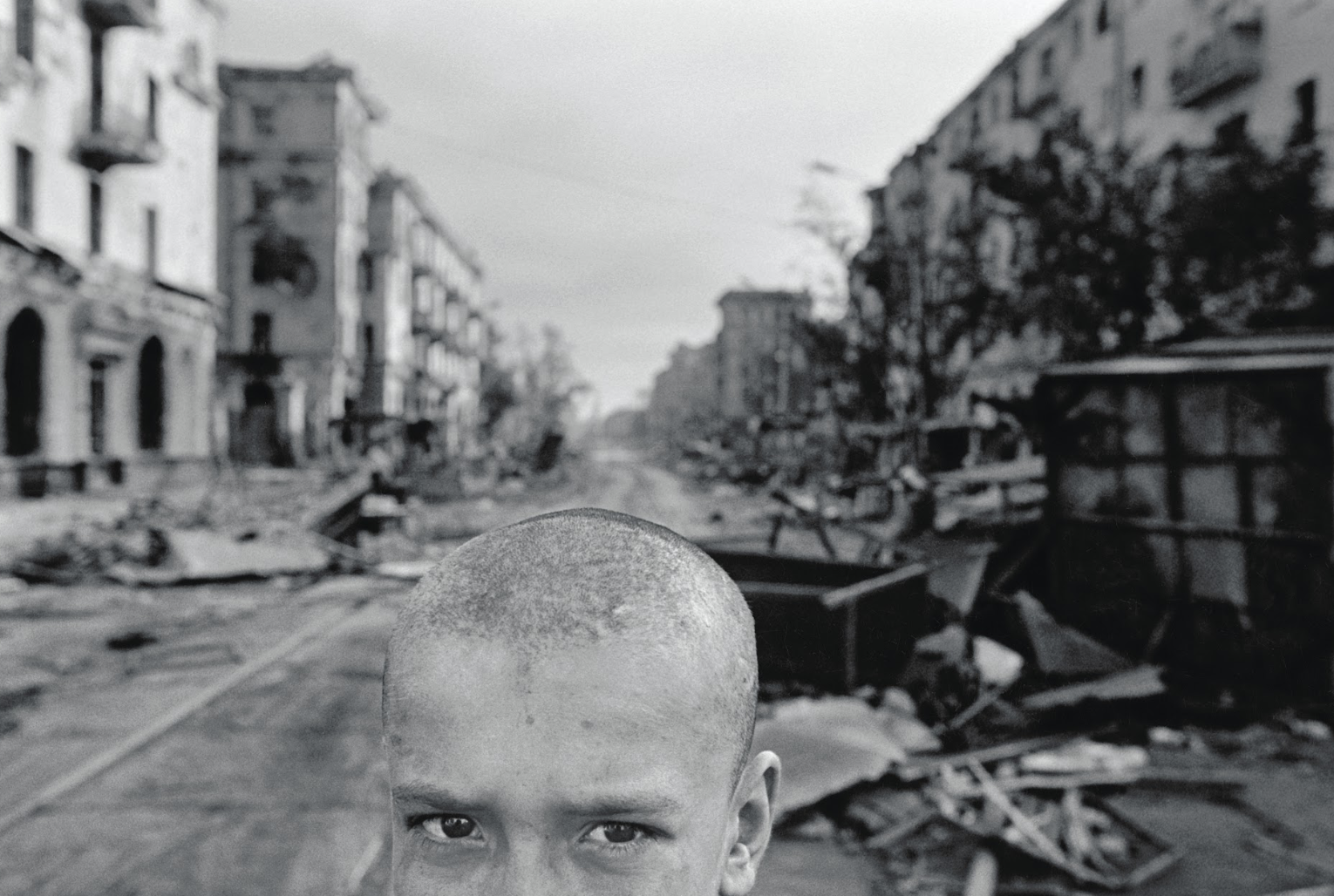
Shortly after, at 5:30 pm, we welcome the second screening of Synthetic Sincerity (Hall 1) by director Marc Isaacs, a portrait of scientific efforts to develop authentic artificial intelligence. When the researchers and their AI decide to retaliate against the director for intruding into their lives, the film opens urgent questions about the future of humanity and cinema, which Isaacs will discuss after the screening with film critic and festival selector Vladan Petković. At 5:30 pm, we can also catch War Photographer (Hall 3) by Christian Frei, portraying the life and work of James Nachtwey, the legendary war photographer who resists all clichés. The beginning of Frei's honorary retrospective will include a conversation between film critic and festival executive director Hrvoje Pukšec and the Swiss director. At 6 pm, the International Competition brings us the contemplative seablindnesss (Hall 2) by Tereza Smetanová, a lyrical documentary about the invisible role of maritime infrastructure in the logistics of contemporary society. Also in the International Competition is The Wind Blows Wherever It Wants (Hall 2) by Georgian director Ivan Boiko, an atmospheric portrayal of the migration of shepherds and thousands of sheep along an ancient route. After the screening, we will learn more about Boiko’s layered depiction of the fragility of traditional customs in conversation with Vladan Petković.
At 7 pm, the program continues with the short Festival Hit We Were the Scenery (Hall 5) by Christopher Radcliff, following a pair of Vietnamese refugees who relived their war experiences as extras in Coppola’s cult Vietnam War film Apocalypse Now. We then relax with the six-minute Pedro Tomás Explains the World (Hall 5) by Kornelijus Stučkus, an absurdist miniature about a man who explains everything from ducks to God from his eccentric point of view. The exhibition Black Gold (Hall 4) returns, followed by One in a Million (Hall 4) by Itab Azzam and Jack MacInnes. As part of the International Competition, the film traces ten years in the life of Isra, whom we follow from age eleven through her journey from Syria to Germany and back. The film functions both as a coming-of-age story and as a universal reflection on the tension between exile and belonging. At 7 pm we can watch the Festival Hit Sanatorium (Hall 5) by Gar O’Rourke, a bizarre story of an Ukrainian sanatorium, which continues to attract visitors with promises of its healing black mud despite the war. At 7:30 pm audiences can choose between two striking depictions of Balkan wilderness: The Mountain Won’t Move (Hall 3) by Slovenian documentarian Petra Seliškar and Feast of the Wolf (Hall 1) by Jadran Boban. After the film, Boban will discuss his portrayal of residents of the Dalmatian hinterland—convinced that the Croatian government is deliberately introducing wolves to kill their herds and drive them away—with journalist and producer Robert Zuber. In parallel, Dina Pokrajac and Petra Seliškar will discuss the balance between the harsh reality of rural life and the coming-of-age story of three Macedonian brothers.
At 8 pm, we can watch the acclaimed The Coriolis Effect (Hall 2) from the Green Dox program by Petr Lom and Corinne van Egeraat. With a non-anthropocentric approach they will further discuss in Wednesday’s Masterclass, Lom and van Egeraat portray the worsening climate crisis on a remote archipelago from the perspective of animals and the scientists helping them survive. After the screening, they will discuss the film's themes with film critic and curator Sara Simić. At 9 pm, we can select the nuanced Dear Tomorrow (Hall 4) by Kaspar Astrup Schröder, transforming Japan’s acute loneliness crisis into a story about the existential importance of compassion, human contact, and sincerity. At the same time, the exhibitions Nature, Chemistry and Society (Hall 5) by Bojan Mrđenović and Points of Impasse (Hall 4) by Armin Graca explore the impact of industrialization on the environment and residents of Kutina, and the interplay of physical and identity divisions. We also repeat yesterday’s screenings of films about women more resilient than the traumas they endured: Lavender (Hall 5) by Mateja Raičković and Traces (Hall 5) by Alisa Kovalenko and Marysya Nikitiuk. While Raičković closely ties healing to nature and belonging, Kovalenko and Nikitiuk underline the crucial importance of solidarity among women overcoming sexual violence together.
The day’s program concludes at 9:30 pm with Ghost Elephants (Hall 3) by renowned German documentarian Werner Herzog, who follows a conservation biologist on an epic quest for a mythical herd of elephants in the forests of Angola. We close the day with the eccentric humor of The Golden Spurtle (Hall 1) by Constantine Costi, the story of an eclectic group of English villagers who unite in pursuit of victory at the Global Porridge Championship.
The International Documentary Film Festival ZagrebDox takes place at Kaptol Boutique Cinemas through April 26, 2026. ZagrebDox is supported by the City of Zagreb, the Croatian Audiovisual Centre, the Croatian Film Directors’ Guild, and the Zagreb Tourist Board. All updates and information about ZagrebDox are available at the website and on the festival’s social media channels.















.png)
.png)

.png)

.png)
.png)





.png)












.png)










.png)


.png)
.png)









.png)