Thursday at the 22nd ZagrebDox Film Festival
23.4.2026.
Marriages and romances, the brutal competition among Bolivian miners, librarians resisting censorship, Teen Doxes exploring fear and freedom, a DoXXL Panel on documenting rural Balkans, reports from Ukraine, and a vignette of Rijeka’s literary scene.

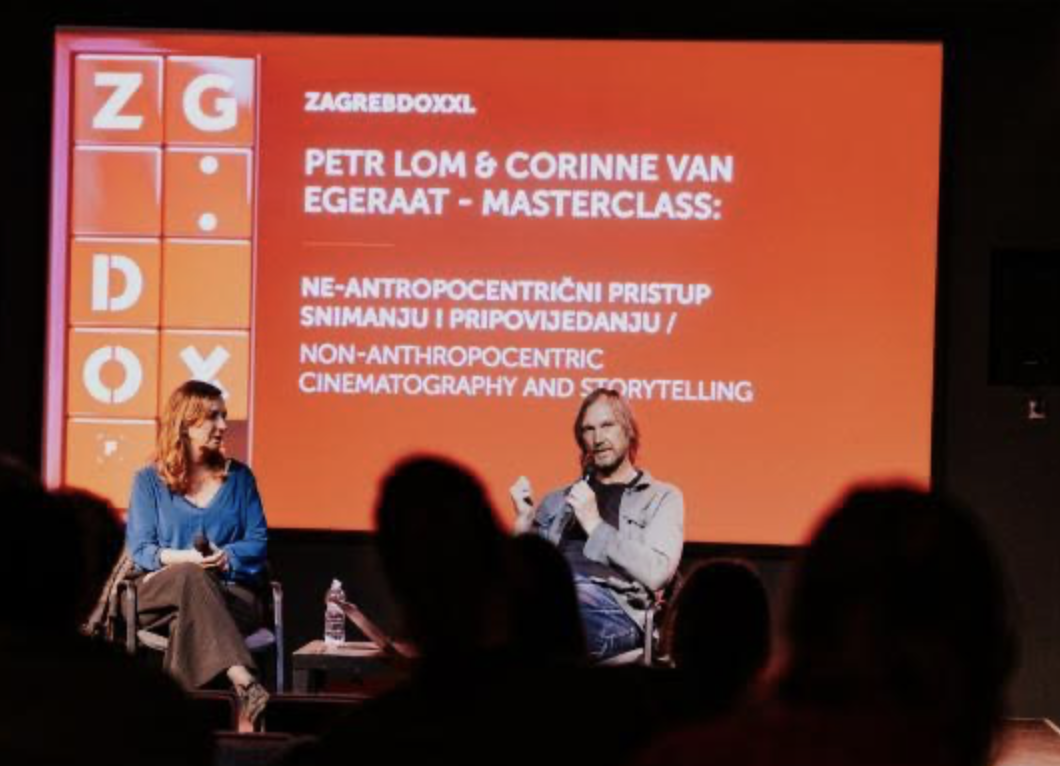
Wednesday at this year’s ZagrebDox brought a meditative study of environmental devastation, a Masterclass on documentary filmmaking beyond anthropocentrism, a DoXXL Panel on resisting disinformation, Factumentaries by promising female directors, regional reflections on the legacy of Yugoslavia, and a series of titles underscoring the urgency of resisting political violence.
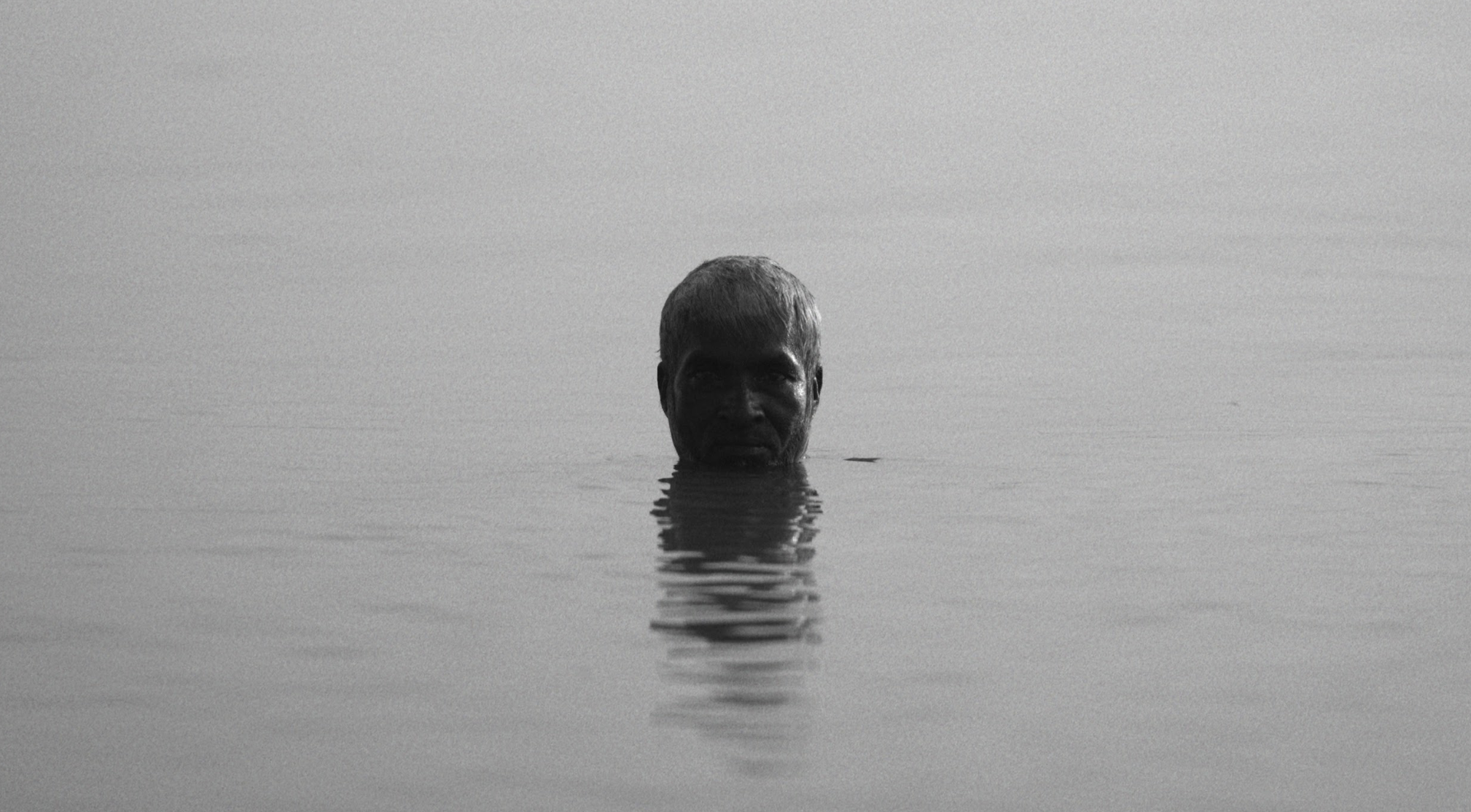
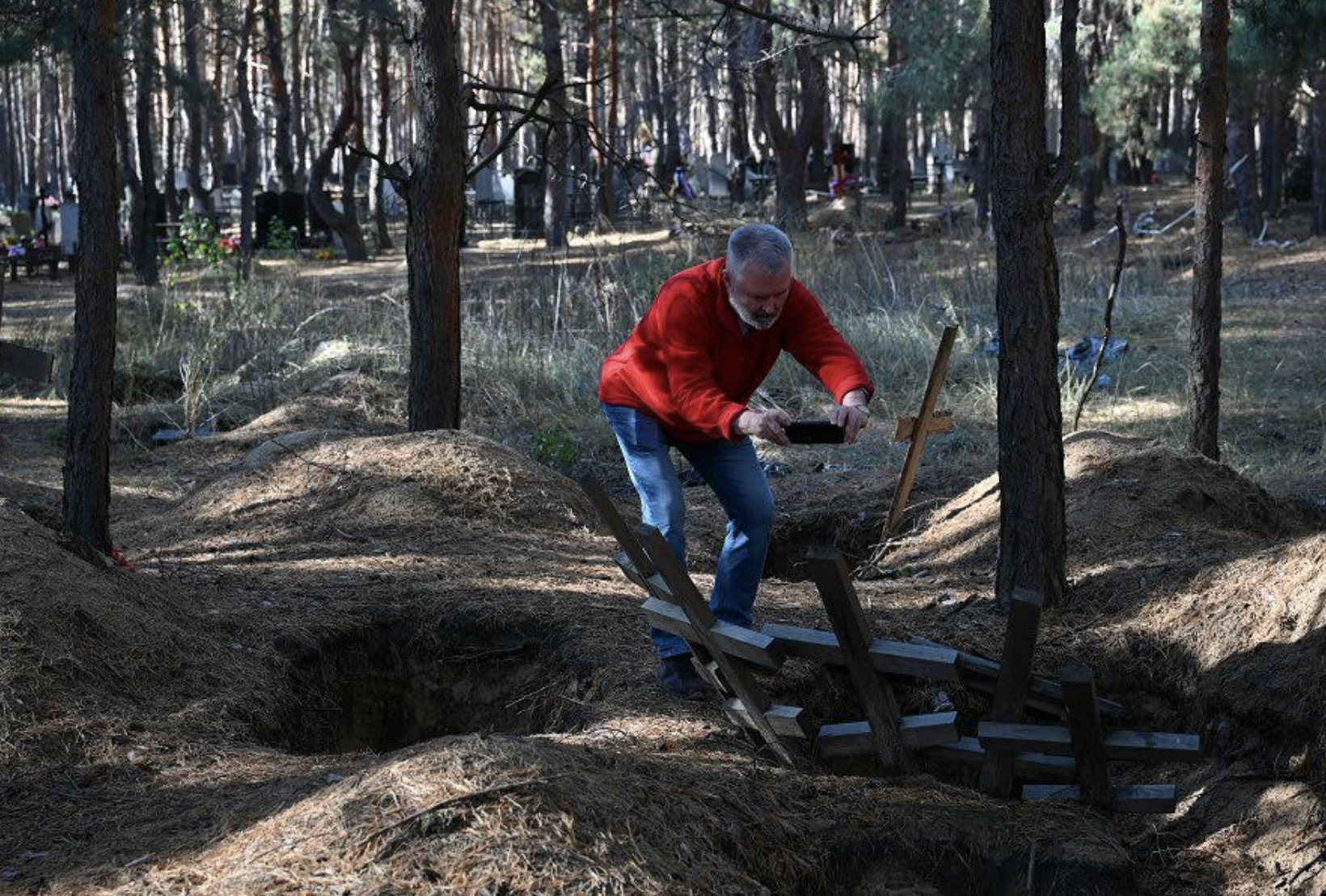
Thursday begins at 1:30 PM with an opportunity to catch up on the exhibitions Lost Territories Archive (Hall 5) and DISPLACEMENT Planinska 7 (Hall 4), which map the cultural identity of Eastern Europe and question the dynamics of neighborly coexistence. At the same time, repeat screenings of Fear Nothing (Hall 3), Black Water (Hall 1), and Natchez (Hall 3) address topics ranging from the culture of private security guards and flood-stricken Bangladesh to the ethically troubling consequences of nostalgia for the American South. Alongside the second screening of Rain On the Dead (Hall 5), audiences at 1:30 PM can also listen to the radio documentary Laika: The Reluctant Hero (Hall 4) by Petter Lindberg. Following the program, the director will discuss Laika’s cultural symbolism and her unwilling involvement in the Cold War with film critic and curator Sara Simić.
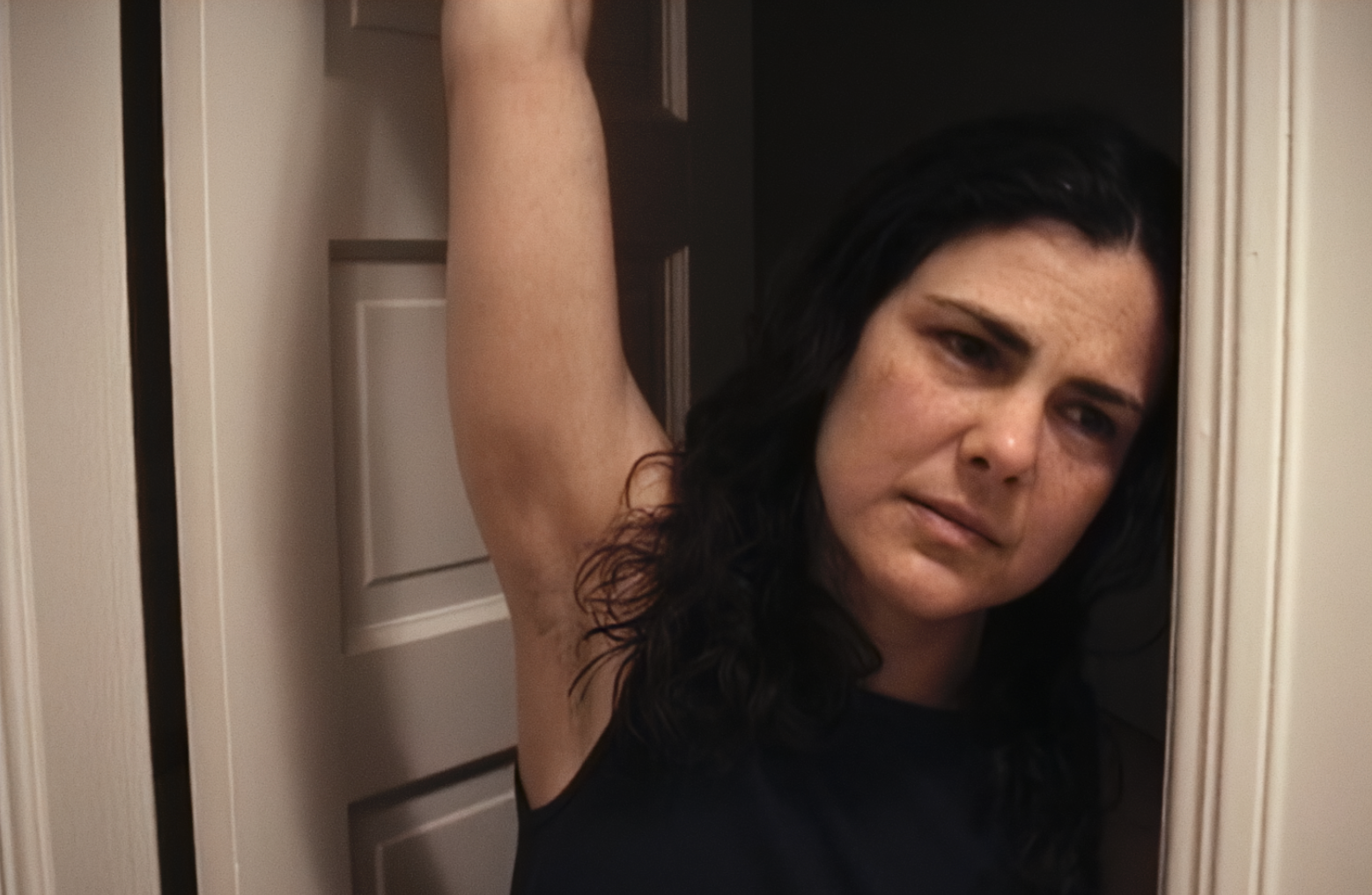
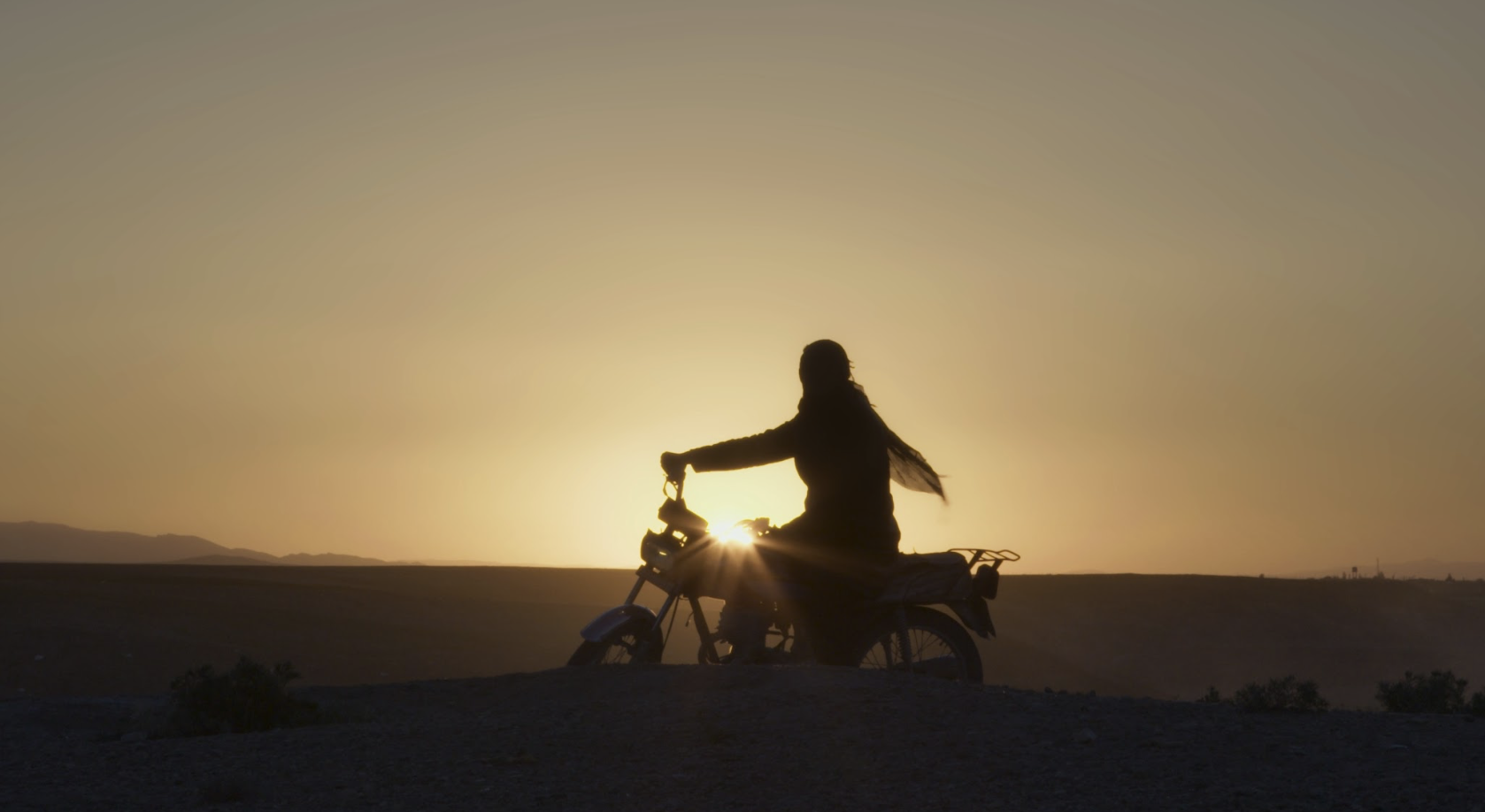
At 2 PM, audiences can opt for outstanding International Competition titles seablindness (Hall 2) and The Wind Blows Wherever It Wants (Hall 2). The 3 PM screenings return us to the stark landscapes of Lika in Serene Valley (Hall 4), offer an eighteen-year study of Iranian girlhood in All My Sisters (Hall 5), and explore technologically mediated attachments to our pasts in Past Future Continuous (Hall 4). Those who may have missed them can also revisit the exhibitions Points of Impasse (Hall 4) and Nature, Chemistry and Society (Hall 5), which use documentary photography to reconsider spatial expressions of ethnic identity and the impact of industrialization on small communities. With a second screening of the Happy Dox The Nicest Men on Earth (Hall 1), which approaches the challenges of contemporary masculinity with reassuring maturity, the 3:30 PM slot brings two highly anticipated Master Dox selections. Heartbeat (Hall 3) by Jay Rosenblatt and Stephanie Rapp candidly captures their decision about having a child, while Back Home (Hall 3) by Tsai Ming-liang follows a young man returning to his native Laos. The retrospective of the work of Christian Frei continues at 4 PM with the cult classic Sleepless in New York (Hall 2), where the Swiss filmmaker examines emotional pain with anthropological rigor.
At 5 PM, audiences can once again visit the exhibitions Nature, Chemistry and Society (Hall 5) and Points of Impasse (Hall 4), and watch the sole projection of Mailin (Hall 5) by María Silvia Esteve, a dreamlike depiction of sexual abuse within the clergy. The screening of The Mountain Won't Move (Hall 4) at 5 PM takes place simultaneously with a DoXXL Panel devoted to its central theme, Balkan, My Balkan: How to Film Rural Areas. Held at Dokukino KIC, film critic Dina Pokrajac will join Petra Seliškar (The Mountain Won't Move), Jadran Boban (The Feast of the Wolf), and anthropologist Tomislav Pletenac in a conversation about cinematic portrayals of rural Balkans beyond stereotype and instinctive self-exoticization. At 5:30 PM, the outstanding international competition entry Silver (Hall 3) by Natalia Koniarz offers an unembellished portrayal of the proto-capitalism shaping the lives of Bolivian miners. The director will further address themes of poverty and economic despair in conversation with selector Vedran Šuvar. At the same time, we can opt for the Dox of Resistance title The Librarians (Hall 1) by award-winning director Kim A. Snyder. Amid the banning of more than 800 books on race and sexuality in Texas schools, the film’s titular librarians provide vital resistance to censorship and repression.
At 6 PM, two Teen Doxes perfectly appropriate for adult audiences take the screen: Things That Keep Me Up At Night (Hall 2) by Niklas Gyberg Ivarsson, a polyphonic exploration of adolescent fears, and The Wolves Will Return (Hall 2) by Bianca Vallino, a story of transgenerational solidarity among women emancipating themselves from their spouses. Vallino will speak with film critic Tibor Đurđev about the feminist mysticism shaping her interpretation of girlhood. At 7 PM, audiences can once again view the exhibitions Borderline of Freedom 2016–2021 (Hall 5) and Delta Oscar Mike (Hall 4), two distinctly different reflections on identity and self-determination by emerging regional photographers. The same time slot brings several titles from the International Competition: Walls (Hall 5) by Sofie Rørdam and Nina Paninnguaq Skydsbjerg, a story of compassion and second chances for a woman who spent twelve years in detention; the short The Men's Land (Hall 5) by Mariam Bakacho Khatchvani, about patriarchy embedded in the foundations of a Georgian village; and A Fox Under the Pink Moon (Hall 4) by Mehrdad Oskouei and Soraya Akhlaghi, a largely autobiographical chronicle of the emancipation of a young Iranian artist.
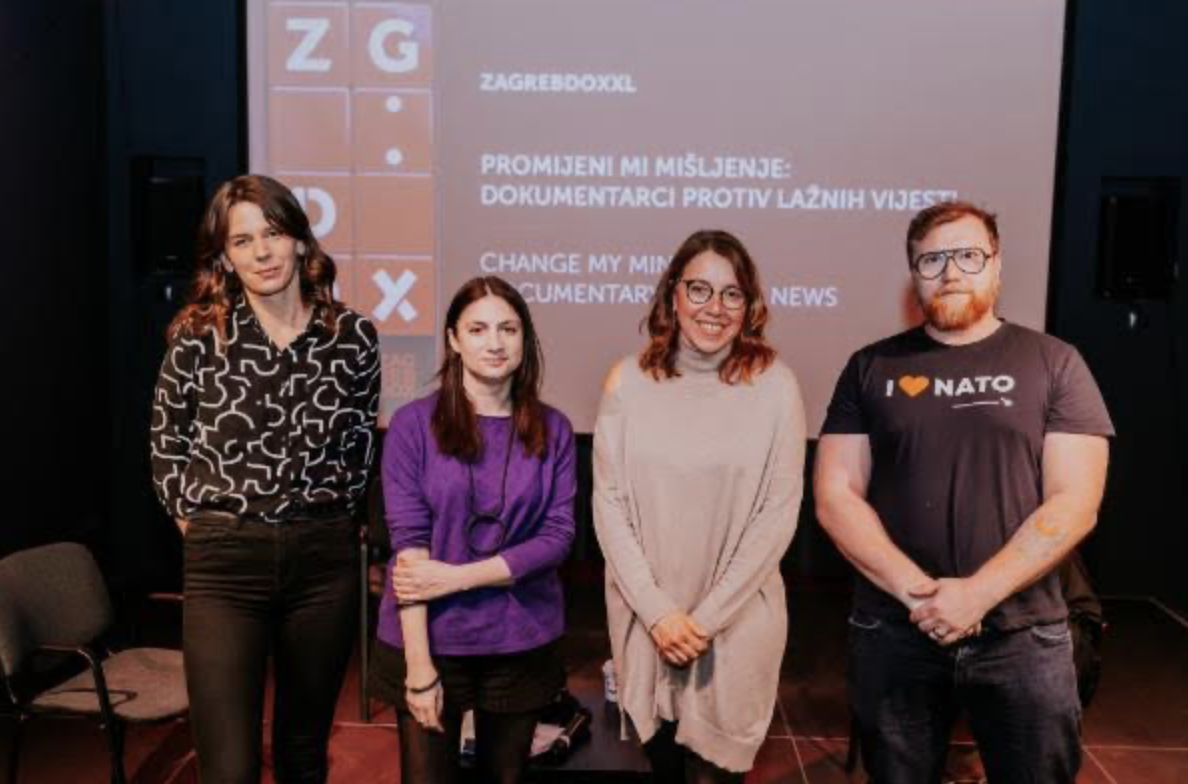
At 7:30 PM, the Regional Competition title Being Related to John Malkovich (Hall 3) follows director Luka Mavretić while investigating the possible connection between the iconic actor and his own family tree. After the screening, Mavretić will discuss the film’s metafilmic layers and his process of getting to know his family more deeply with Tibor Đurđev. Audiences will also have another opportunity to watch the Controversial Dox Change My Mind (Hall 1) by Robin Kvapil, in which the filmmaker attempts to convince a trio of conspiracy theorists of the reality of the war in Ukraine. Kvapil will discuss lies, contemporary media, and his personal experience of the challenging journey to Ukraine with film and literary critic and festival selector Hana Samaržija.
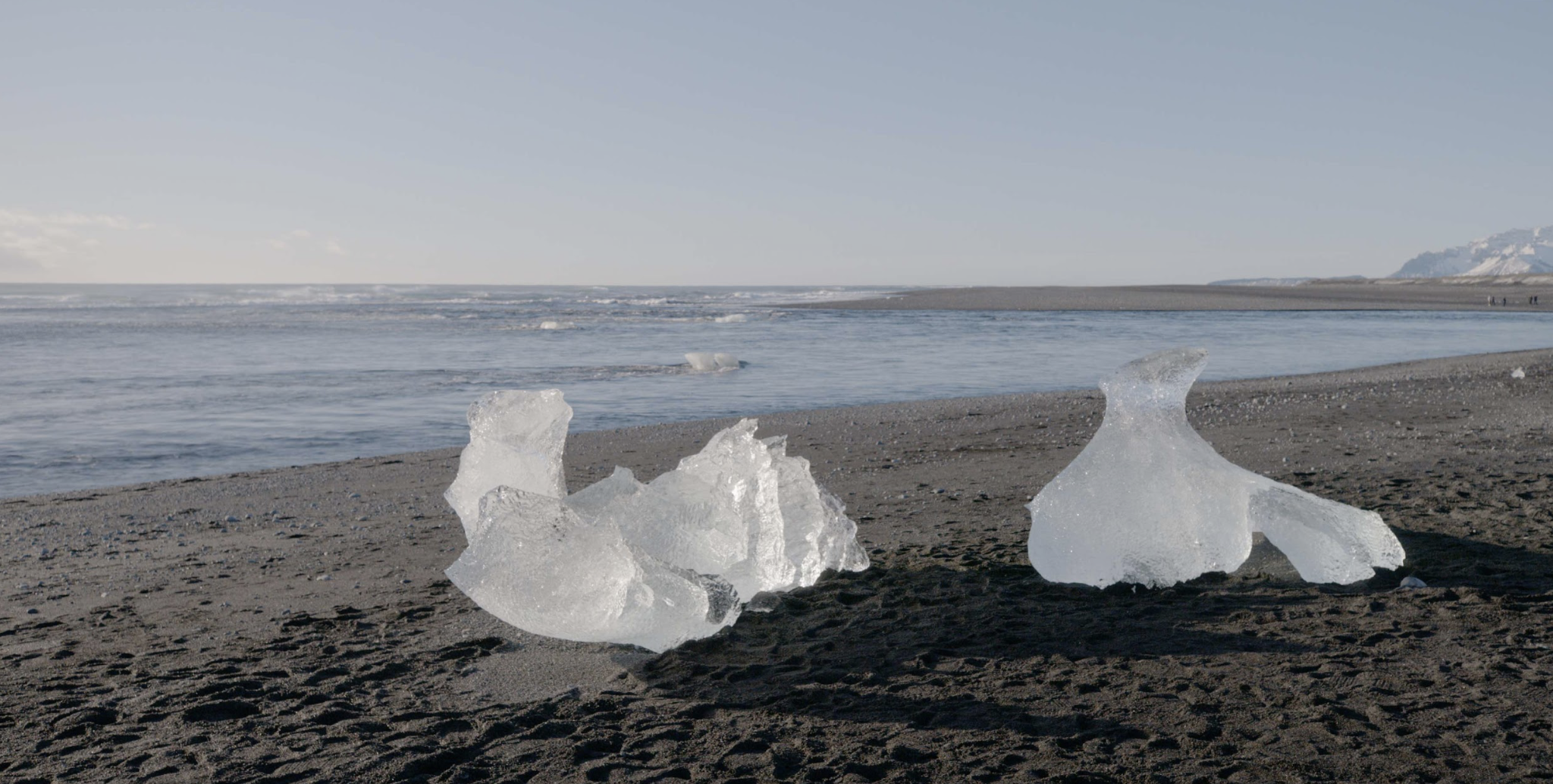
The International Competition at 8 PM presents two Ukrainian works: the short Paleontology Lesson (Hall 2) by Sergei Loznitsa, where children at a natural history museum briefly escape into a world without war, and 2000 Meters to Andriivka (Hall 2) by Oscar-winning filmmaker Mstyslav Chernov. At 9 PM, the Green Dox Nuisance Bear (Hall 4) and the regional film Melt (Hall 5) offer different perspectives on the climate reality of disappearing icy landscapes. The exhibitions Ground Zero of Fast Fashion (Hall 4) and Black Gold (Hall 5) are once again united by their ambition to expose the underbelly of profitable industries. The day’s program concludes at 9:30 PM with a second screening of the international hit Cutting Throgh Rocks (Hall 3), a film about the importance of resistance and personal integrity, and the world premiere of the hybrid documentary portrait of twelve prominent voices from Rijeka’s literary scene, PRESS: STOP – Ri Lit Film (Hall 1) by Anđelo Jurkas, who will discuss his work with scriptwriter Lucija Brkić after the film.
The International Documentary Film Festival ZagrebDox runs at Kaptol Boutique Cinemas through April 26, 2026. ZagrebDox is held with the support of the City of Zagreb, the Croatian Audiovisual Centre, the Croatian Film Directors’ Guild, and the Zagreb Tourist Board. All updates and information are available at the official website and on the festival’s social media channels.















.png)
.png)



.png)

.png)
.png)





.png)












.png)











.png)


.png)

.png)








.png)